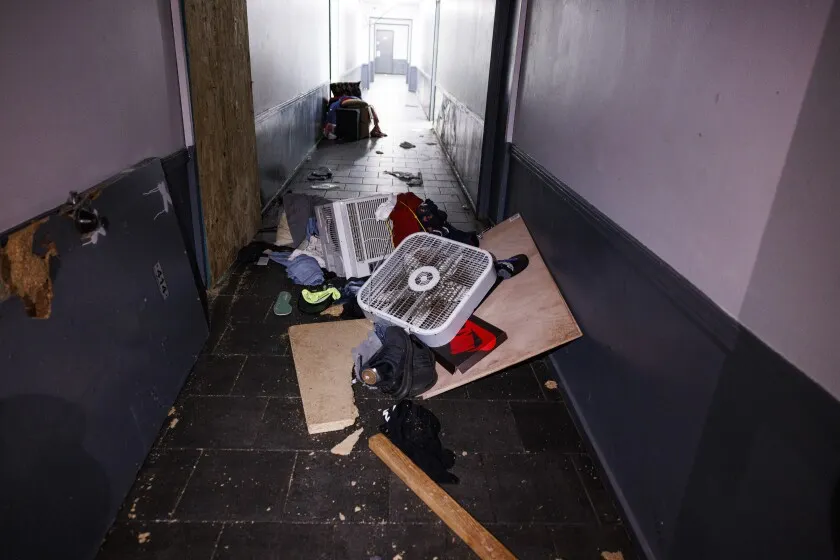
When residents are forced to leave their homes with little warning, it cannot be treated as a private matter between a landlord and tenants. It becomes a community emergency, one that demands a coordinated, humane response.
This is especially true now. Chicago has just experienced the coldest day of the winter so far, making sudden displacement not just disruptive, but dangerous.
No family should be left scrambling for shelter, heat, or safety during extreme weather. When that happens, the failure is not only institutional but also collective.
Emergencies Require Specialists, Not Shrugs
Housing displacement is not a problem that can be solved by telling people to “figure it out.” It requires experienced organizations with the tools, knowledge, and networks to respond quickly.
Tenant-rights groups, housing advocates, legal aid organizations, shelters, and community nonprofits already specialize in this work. They know how to:
Secure emergency shelter and hotel placements
Provide legal guidance and tenant advocacy
Coordinate moving assistance and storage
Connect families to long-term housing options
These organizations should not be an afterthought. They should be empowered, funded, and activated immediately when mass displacement occurs.
Time Is a Form of Protection
One of the most essential resources in a crisis like this is time.
Time to find safe housing.
Time to move children without disrupting the school day.
Time to protect seniors and people with disabilities.
Time to avoid homelessness.
When people are given only weeks or days to leave, the odds are stacked against them. Extended notice periods, emergency moratoriums during extreme weather, and temporary stabilization measures are not radical ideas. They are basic protections that recognize reality.
Cold Weather Changes Everything
Displacement during winter is fundamentally different. Exposure risks rise. Shelters fill faster. Transportation becomes harder. Health conditions worsen.
In moments like this, urgency matters. City and county agencies must treat winter displacement as a public safety issue, not just a housing dispute. Emergency response protocols should reflect that reality.
This Is How Communities Show Their Values
A city’s values are revealed not by slogans, but by how it responds when people are at their most vulnerable.
Stepping in does not mean unlimited spending or chaos. It means:
Activating the right organizations
Coordinating across agencies
Giving people the time and support they need
Putting human dignity ahead of bureaucracy
When families are forced out into the cold, indifference is not neutral — it is a choice.
We Can Do Better And We Must
Chicago has the knowledge, the organizations, and the capacity to respond humanely. What’s required is the will to act quickly and decisively when displacement happens.
Housing stability saves lives.
Time prevents a crisis.
Community response defines who we are.
In moments like this, stepping in is not optional; it is our responsibility.