As Illinois leaders promise a safer, more reliable transit system, federal officials are raising concerns, highlighting a growing disconnect between political messaging and operational reality.
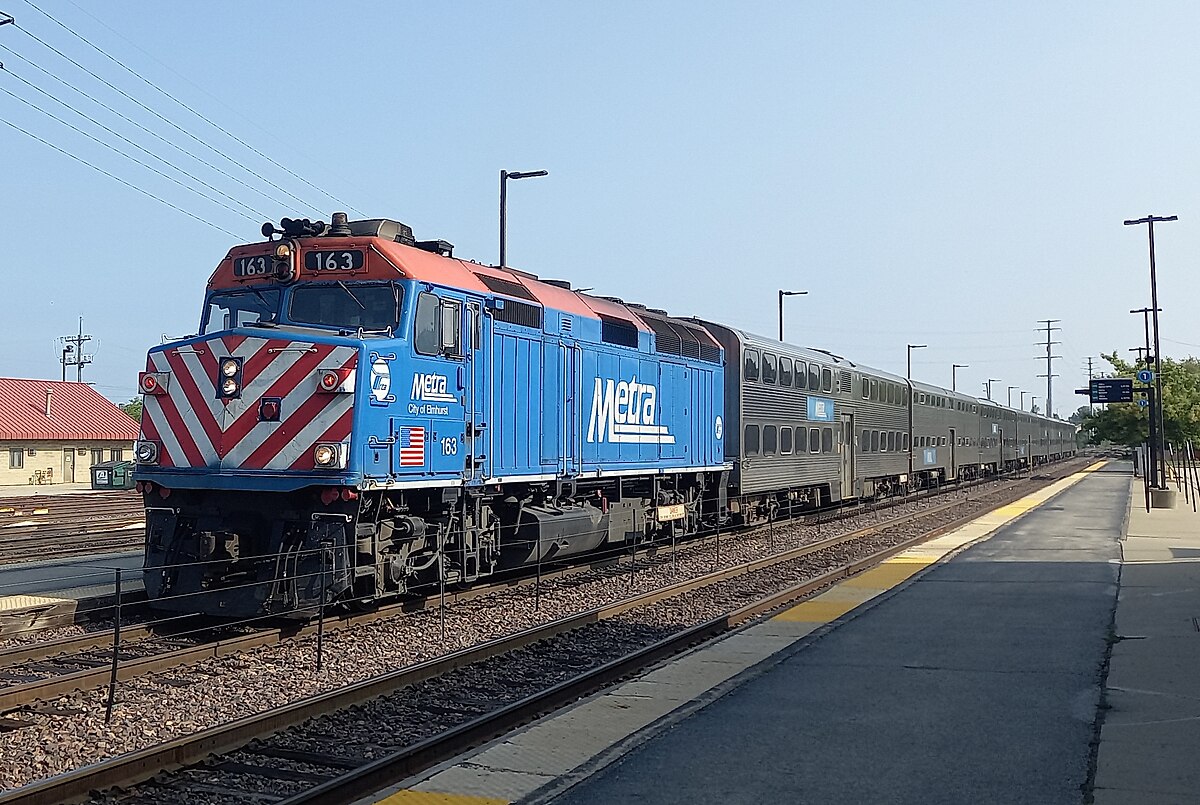
This week, the Federal Transit Administration rejected a proposed transit security plan, citing deficiencies that must be addressed before approval. The decision comes just as JB Pritzker signed a sweeping funding and governance overhaul for the Chicago Transit Authority, Metra, and Pace, a package state leaders say will “make transit safer and more reliable.”
The contrast is hard to ignore.
Federal Concerns vs. State Assurances
According to federal officials, the rejected security plan failed to meet required standards, raising questions about preparedness, coordination, and implementation. While the specifics are still being addressed, the rejection signals that safety improvements cannot be achieved through legislation alone.
At the same time, state leaders are touting the newly signed transit overhaul as a turning point, combining funding, structural changes, and performance goals to stabilize the system after years of declining ridership, safety concerns, and pandemic-era disruptions.
Supporters argue the package prevents immediate service cuts and sets the stage for long-term improvements. Critics counter that funding promises mean little if basic safety plans cannot clear federal review.
Safety Is More Than a Press Release
For riders, the issue is not abstract. Safety concerns — from crime and disorder to inconsistent enforcement — have driven many passengers away from the system. Trust is built through visible results: staffing, presence, response times, and clear accountability.
The federal rejection underscores a key reality: security and reliability depend on execution, not slogans.
If agencies cannot meet federal safety requirements, it raises legitimate questions about whether internal reforms are moving fast enough or in the right direction.
Oversight Matters More Than Ever
The newly signed overhaul includes governance changes and performance expectations, but its success will depend on follow-through. Federal oversight exists precisely to catch gaps before tragedy strikes, and rejection should be treated as a warning, not a political inconvenience.
Transit advocates note that the state package buys time and resources. But time without reform risks repeating the same cycle: new money, public promises, and lingering problems.
Riders Deserve Clarity — Not Mixed Signals
Illinois taxpayers and transit riders are being asked to trust that the system is on a better path. The mixed signals from state and federal authorities make it harder to maintain that trust.
If transit is truly becoming safer and more reliable, the evidence should be straightforward:
Approved security plans
Clear benchmarks
Transparent reporting
Measurable improvements riders can see and feel
Until then, skepticism is not cynicism; it is common sense.
The Moment for Accountability
The governor’s signature marks a significant policy moment. The federal rejection marks a reality check.
Together, they point to the same conclusion: funding and reform must be matched by competence, execution, and accountability. Riders don’t experience “overhauls,” they experience platforms, trains, buses, and safety in real time.
That is where the real test begins.