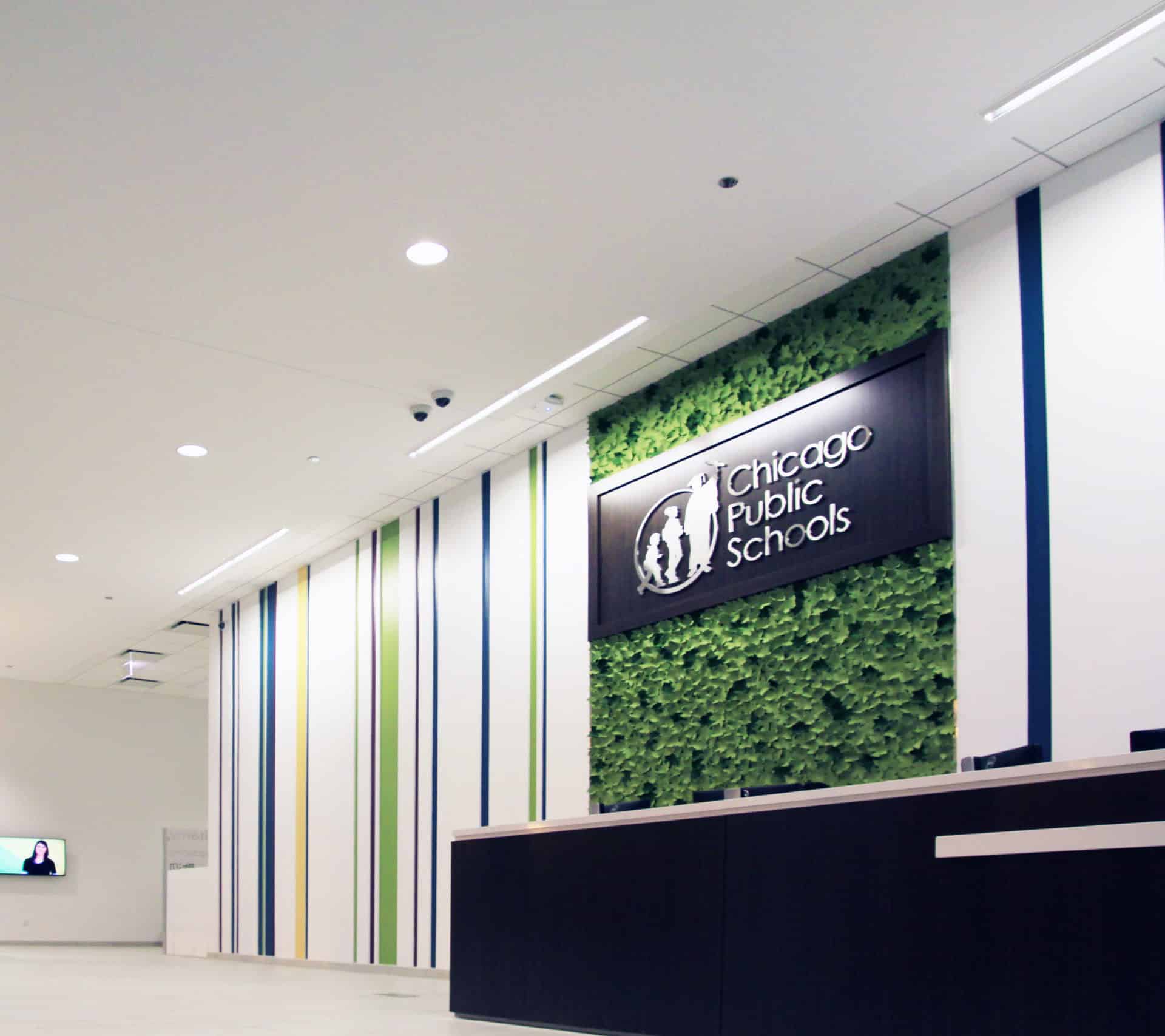
The Chicago Board of Education has approved a tax increase to support Chicago Public Schools, marking one of the first major fiscal decisions made by a board that is now a hybrid of appointed and elected members.
While supporters argue the increase is necessary to stabilize school funding, the decision raises a broader question for taxpayers: has accountability actually improved, or are higher taxes still being used to paper over deeper problems?
Hybrid Governance, Familiar Outcome
Chicago’s transition to a partially elected school board was meant to increase transparency and public trust. But even with elected representation at the table, the result looks familiar: rising costs, limited reform, and taxpayers once again being asked to cover the difference.
From a libertarian perspective, the issue is not whether education matters, it does. The issue is whether governance reform is being followed by fiscal discipline, or whether the system continues to default to tax increases instead of structural change.
Higher Taxes Without Structural Reform
CPS continues to face well-known challenges:
Declining enrollment
Rising pension and labor costs
Administrative overhead
Long-term debt obligations
Yet the response remains largely the same: raise revenue first, ask questions later.
Tax increases should be a last resort, not the opening move. Without clear evidence that spending has been streamlined and priorities reset, higher taxes feel less like an investment and more like a transfer of risk from leadership to residents.
Partial Accountability Is Still Accountability Gaps
Elected members now share responsibility for decisions, but appointment power still plays a significant role. That hybrid structure means accountability is diffused, not concentrated.
When everyone shares responsibility, no one fully owns the outcome.
For taxpayers, that matters. Real accountability requires clear lines: who voted for the increase, who opposed it, and who is responsible if promised improvements fail to materialize.
Spending More Is Not the Same as Spending Smarter
Before approving any tax increase, Chicago families deserve clear answers:
How much of the new revenue reaches classrooms directly?
What administrative costs are being reduced?
How will success be measured and reported?
What happens if outcomes don’t improve?
Without those benchmarks, claims of necessity are impossible to verify.
A Better Path Forward
A fiscally responsible approach would prioritize:
Transparent, line-item budgeting
Enrollment-aligned spending
Administrative cost controls
Pension sustainability planning
Clear performance reporting tied to funding decisions
Education deserves investment, but investment without discipline undermines trust.
The Bottom Line
The move to a partially elected school board was supposed to bring Chicago closer to accountable governance. Approving a tax increase without visible reform risks sending the opposite message.
Chicago cannot rebuild trust by asking residents to pay more while delivering the same results. Accountability must grow alongside authority, or taxpayers will continue to question whether real change ever arrived.