
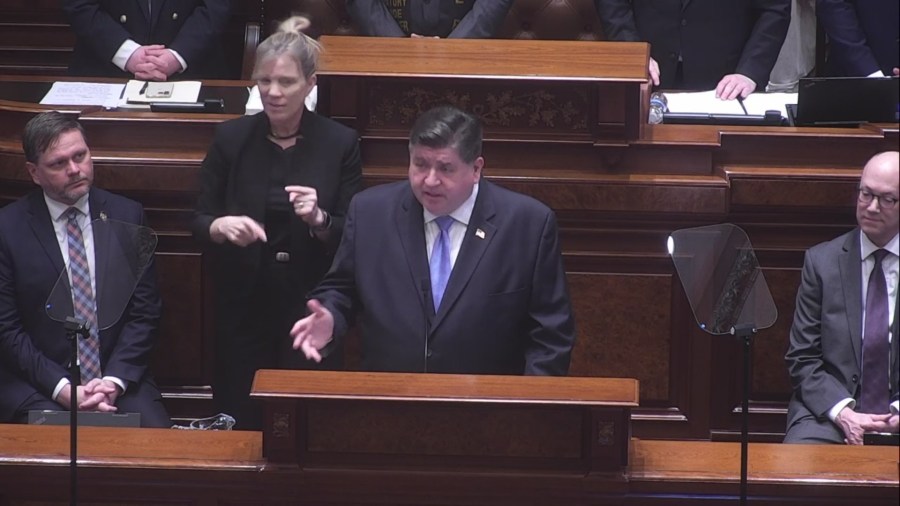
When a state faces a significant budget gap, the public deserves specifics. They deserve numbers, tradeoffs, and a roadmap. What they do not need is a speech focused more on national politics than local fiscal reality.
In a recent address, the governor spent substantial time criticizing Donald Trump rather than presenting a detailed structural solution to the state’s fiscal imbalance. Political contrast may energize supporters, but it does not close deficits.
A budget gap is not solved by assigning blame. It is solved by aligning revenue with sustainable spending.
If new taxes are proposed, leaders should explain:
- How much revenue will they generate?
- How will they affect working families and small businesses?
- Are they temporary or permanent?
- What spending reforms accompany them?
Raising taxes without addressing structural spending patterns only postpones the problem. Likewise, cutting services without reforming inefficiencies fails to address the root cause.
Fiscal discipline requires prioritization. It requires evaluating programs based on measurable outcomes. It requires acknowledging that every dollar spent comes from someone’s labor.
Budgets reflect values. But they must also reflect math.
A serious budget conversation focuses on sustainability, transparency, and long-term stability, not political positioning. When residents are concerned about affordability and economic uncertainty, leadership should be grounded in solutions, not speeches.


