
Disparities in wealth, incarceration, and health outcomes in Black neighborhoods are not isolated problems. They are interconnected outcomes of long-standing structural barriers that affect how communities grow, how people are policed and prosecuted, and how access to opportunity is distributed.
Increasing Wealth in Black Neighborhoods
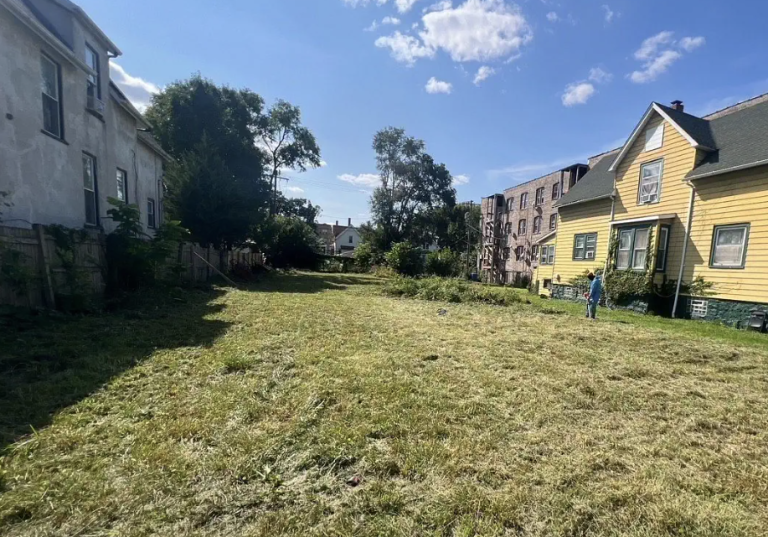
Wealth grows when people are able to own assets, start businesses, and keep money circulating locally. In many Black neighborhoods, barriers such as limited access to capital, restrictive zoning, and high startup costs make this difficult. Supporting small and locally owned businesses, expanding access to credit, and reducing unnecessary barriers to entry can help residents build equity and long-term stability.
Home ownership also plays a critical role. Stable housing, fair property assessments, and policies that prevent displacement allow families to build wealth over generations rather than losing it to rising costs or instability.
Understanding Incarceration Disparities and How to Reduce Them
The fact that a disproportionate share of incarcerated individuals are Black reflects systemic issues, not higher criminality. Differences in policing practices, charging decisions, sentencing, and access to legal resources all contribute to this imbalance. Communities with fewer economic opportunities are also more likely to experience higher levels of enforcement rather than prevention.
Reducing incarceration disparities requires focusing on alternatives to incarceration for non-violent offenses, expanding diversion and treatment programs, and ensuring fair pretrial practices. Strengthening education, employment opportunities, and reentry support also reduces repeat involvement with the justice system.
Improving Health Outcomes in Black Neighborhoods
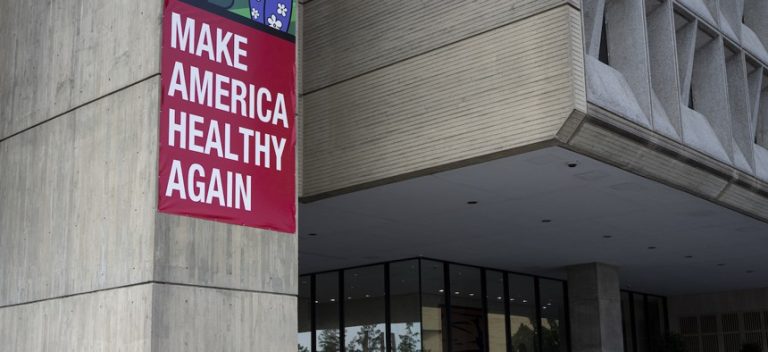
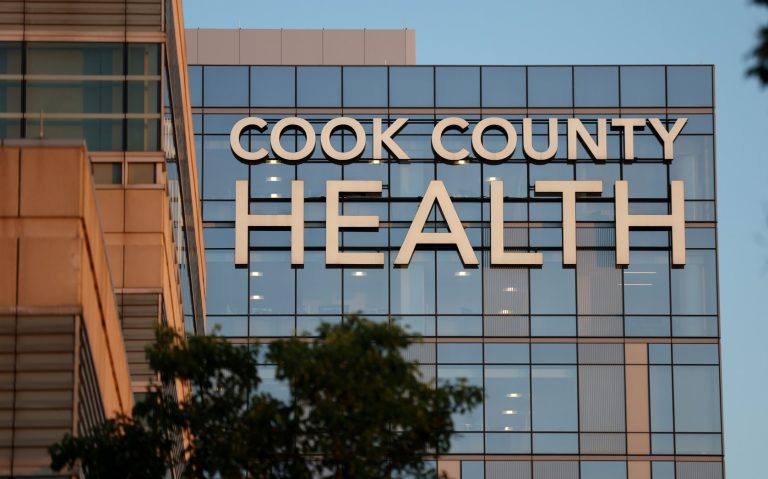
Health outcomes are shaped by daily conditions. Access to quality healthcare, safe housing, clean air, nutritious food, and reliable transportation all influence long-term health. Many Black neighborhoods face higher exposure to environmental risks and fewer healthcare resources.
Improving health means investing in preventive care, mental health services, and neighborhood infrastructure that supports healthy living. Walkable streets, safe public spaces, and nearby clinics can reduce chronic illness and improve quality of life over time.
A Connected Approach
Wealth, justice, and health are deeply connected. Economic stability reduces contact with the justice system. Better health improves educational and employment outcomes. Addressing these issues together, rather than in isolation, creates stronger, more resilient communities.
Lasting progress depends on removing structural barriers, expanding opportunity, and focusing public resources on outcomes that improve daily life rather than short-term fixes.