
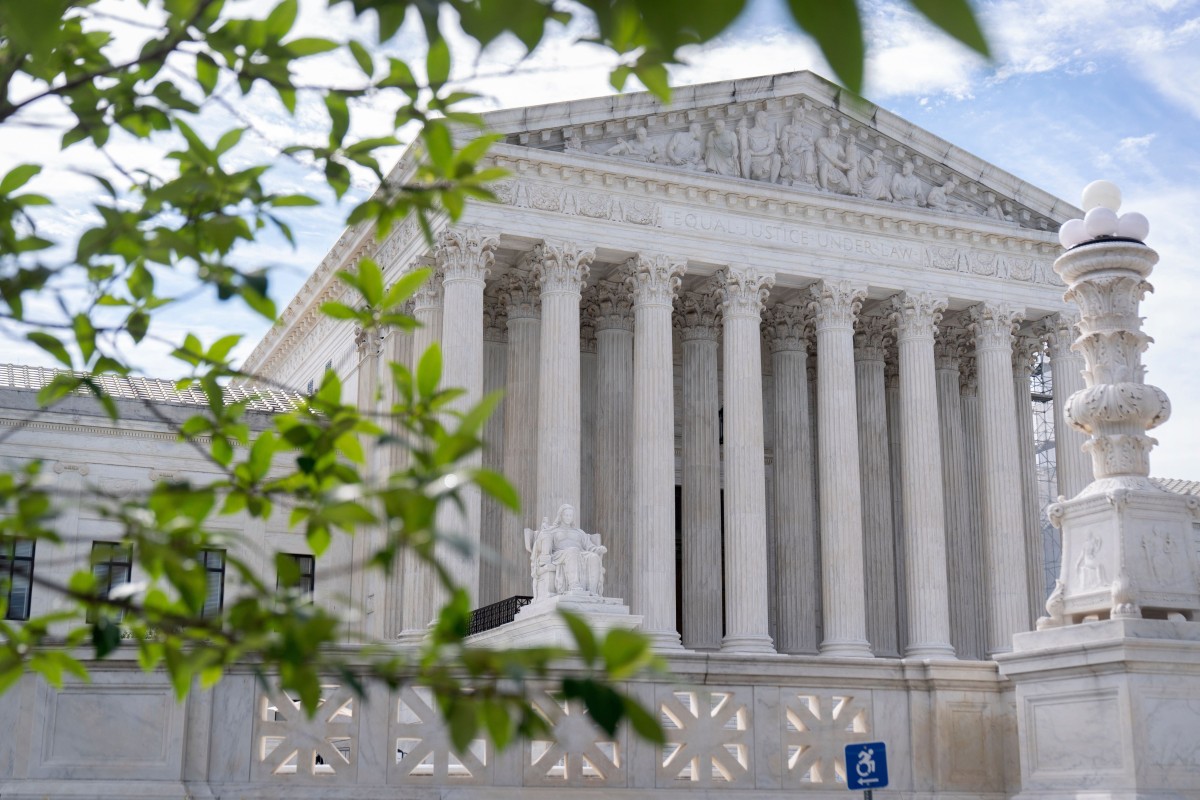
A recent decision by the Supreme Court of the United States limiting the scope of tariff authority is more than a legal technicality, it’s a constitutional reminder.
Tariffs are taxes. They raise the cost of imported goods, and those costs don’t disappear. They are passed along to consumers, small businesses, and manufacturers who rely on global supply chains. Whether imposed in the name of protectionism or negotiation leverage, tariffs affect prices at home.
The Court’s role is not to decide whether tariffs are good policy. It is to determine whether the executive branch acted within the authority granted by Congress and the Constitution. When economic tools stretch beyond statutory limits, judicial review is not activism, it is accountability.
Trade policy should be debated openly. If tariffs are necessary, Congress has the power to legislate them clearly. If they are harmful, lawmakers should reconsider them transparently. What we should not have is major economic policy shaped by ambiguous authority or emergency powers that outlive the emergency.
The broader issue is predictability. Businesses invest based on stability. Workers plan based on price certainty. When tariff policy shifts rapidly or operates in legal gray areas, it injects volatility into the economy.
The Court’s decision reinforces a basic principle: economic power must remain accountable to constitutional structure. Trade policy should be clear, deliberate, and grounded in law, not improvisation.