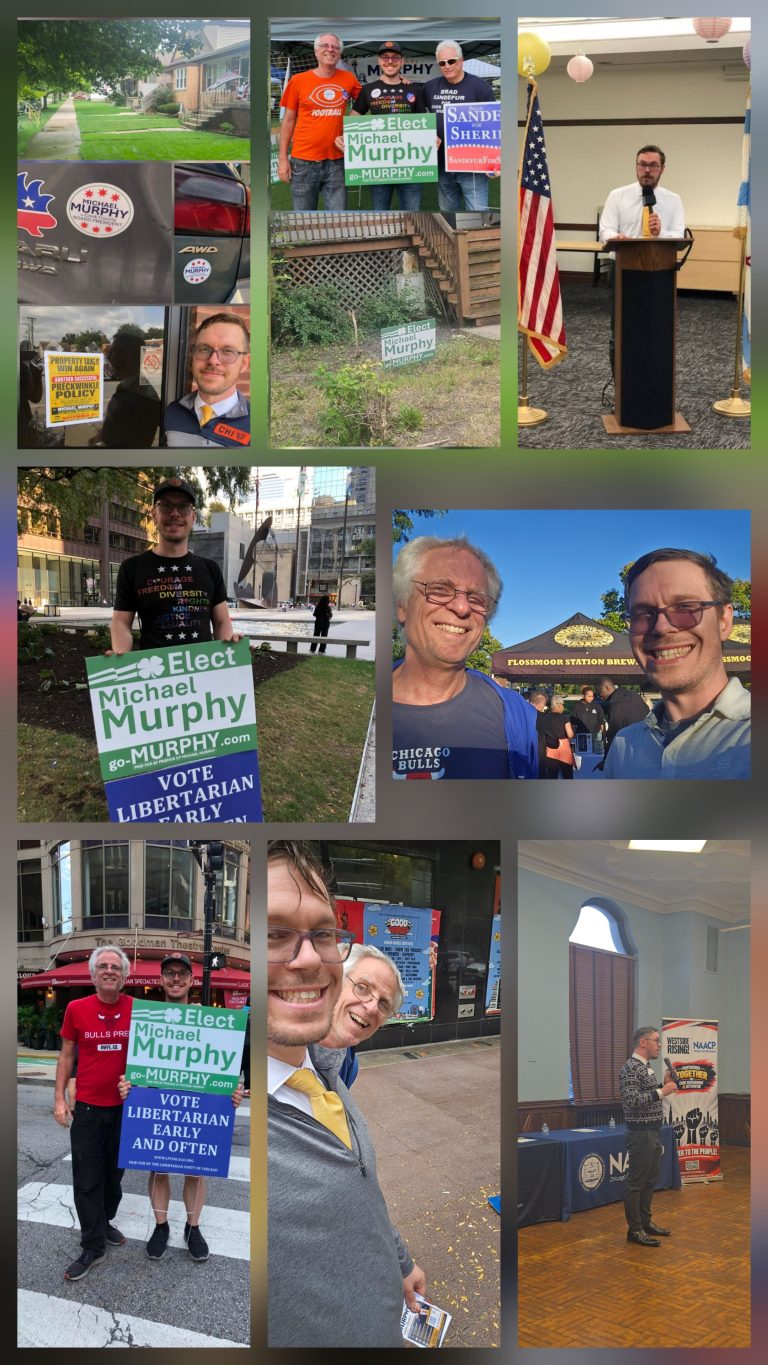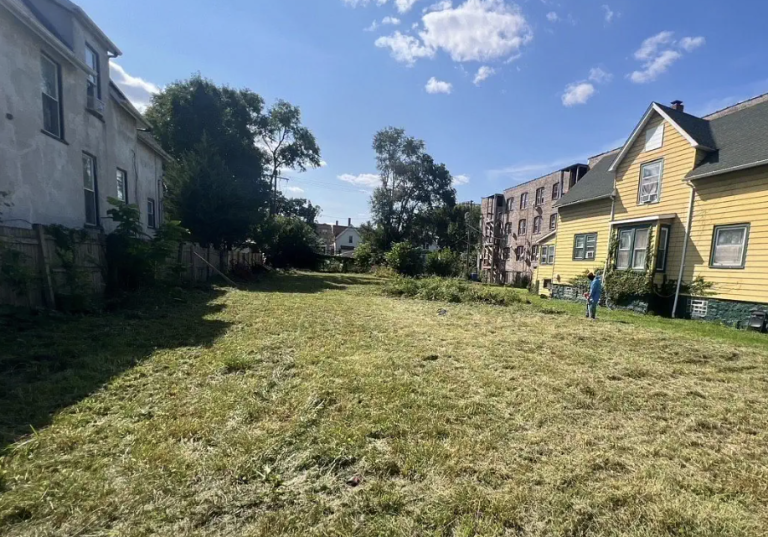
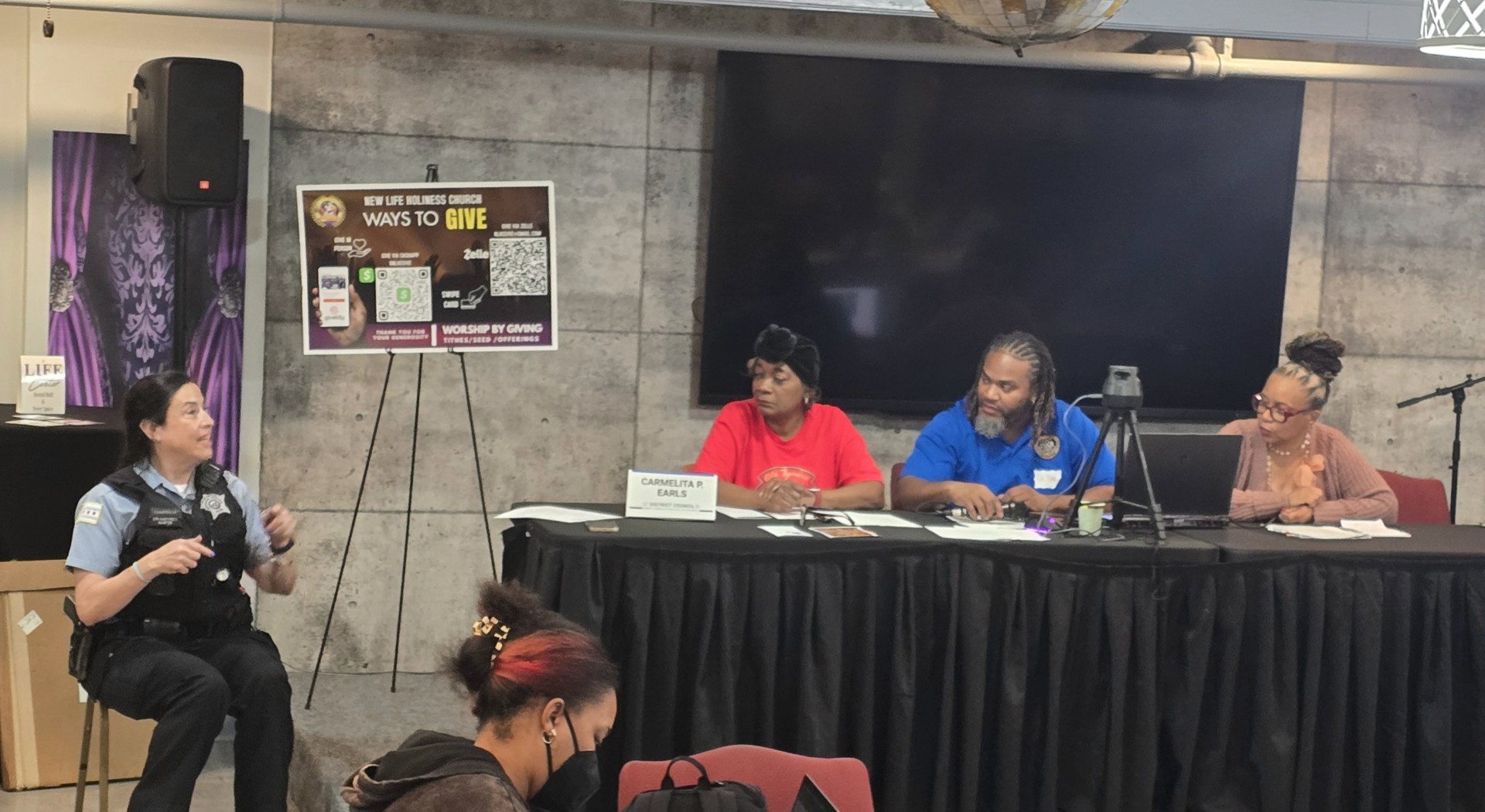
On Thursday, November 19, I attended the 15th Police District Council meeting at New Life Holiness Church. The room was fairly full of residents who came to hear updates, discuss public safety concerns, and ask questions about what is happening in their neighborhoods.
What stood out to me was the frustration residents expressed about police response times and the apparent disconnect between what Chicago spends on public safety and what people experience in their neighborhoods.
Chicago’s proposed 2027 budget includes approximately $2.24 billion for the Chicago Police Department. That is a significant amount of taxpayer money, and it raises an important question.
If we are spending more than $2 billion on policing, why do so many residents feel they are receiving so little in return?
Where Is the Accountability?
The meeting did not begin on a particularly encouraging note. District Council members expressed frustration that no representative from the Chicago Police Department was present at the start of the meeting.
An officer eventually arrived but left before the department’s scheduled reporting portion.
For a meeting intended to improve communication and accountability between the police and residents, that was disappointing.
Throughout the meeting, residents raised concerns about delayed police responses and difficulty getting assistance when problems arise.
The officer who attended explained that police respond to calls based on their level of urgency. Emergency situations receive priority, while less urgent calls may take longer.
I understand that. A violent crime in progress should receive a higher priority than a nonemergency complaint. No reasonable person expects every call to receive the same level of response.
But that does not mean residents should be left wondering whether someone will ever arrive.
Public safety should not be measured simply by how much money we spend. It should be measured by the results residents experience.
Residents Should Not Have to Fight to Be Heard
During the meeting, I shared information I had received from police sergeants at previous beat meetings.
Residents have been encouraged to continue reporting recurring neighborhood problems and to have other affected neighbors report incidents they personally witness.
The more consistently an issue is documented, the more attention it may receive.
I understand why this advice is given. Police need accurate information to identify recurring problems and determine where resources are needed.
But I also find it concerning that residents feel they must repeatedly call about the same problems before they receive attention.
We should be encouraging residents to report crime and neighborhood concerns. At the same time, the city needs to ensure those reports lead to meaningful follow-up.
Stronger Blocks Mean Stronger Neighborhoods
One suggestion from the officer that I particularly appreciated was encouraging residents to establish phone directories for their blocks.
The idea is simple. Neighbors voluntarily share their contact information so they can communicate when issues arise, notify one another about problems, and coordinate reports when necessary.
I believe this is something more blocks should consider.
When neighbors know one another, they are better positioned to identify ongoing problems, look out for their community, and work together to find solutions.
Of course, a neighborhood phone directory is not a replacement for police services. Residents should not have to organize their own public safety response because they cannot depend on the city.
But stronger communication between neighbors can make a difference.
February 2027 Is an Opportunity to Examine City Leadership
Chicago’s next municipal election is scheduled for Tuesday, February 23, 2027.
Residents will be selecting their alderperson, mayor, and representatives to their local Police District Council, among other municipal offices.
These positions have different responsibilities, but each plays a role in how the city addresses public safety.
The mayor proposes the city’s budget and oversees city departments. The City Council reviews and approves spending, while the District Councils provide opportunities for community participation and police accountability.
The questions raised at Thursday’s meeting are also questions worth asking of candidates seeking these offices.
How will they measure police performance? What will they do about delayed responses? How will they ensure taxpayer money is being used effectively? And how will they improve communication between the police and the neighborhoods they serve?
Residents deserve clear answers about what their government is doing and what results it is delivering.
We Need Results, Not Just Bigger Budgets
I believe government should be accountable for the services it promises to provide.
Chicago residents pay taxes with the expectation that essential city services will be delivered. Public safety is one of those essential responsibilities.
Spending more money does not automatically mean better services. We need to examine how resources are being used, whether departments are meeting expectations, and what changes could improve outcomes.
The concerns raised at the 15th Police District Council meeting should not be dismissed. Residents want to feel safe, receive timely assistance, and know that their concerns are being taken seriously.
With billions of dollars being spent, Chicago residents deserve transparency, accountability, and measurable results.
As February’s municipal election approaches, these are important issues for residents to consider when evaluating the people seeking to represent them.
For information about future meetings, visit the 15th Police District Council website.